

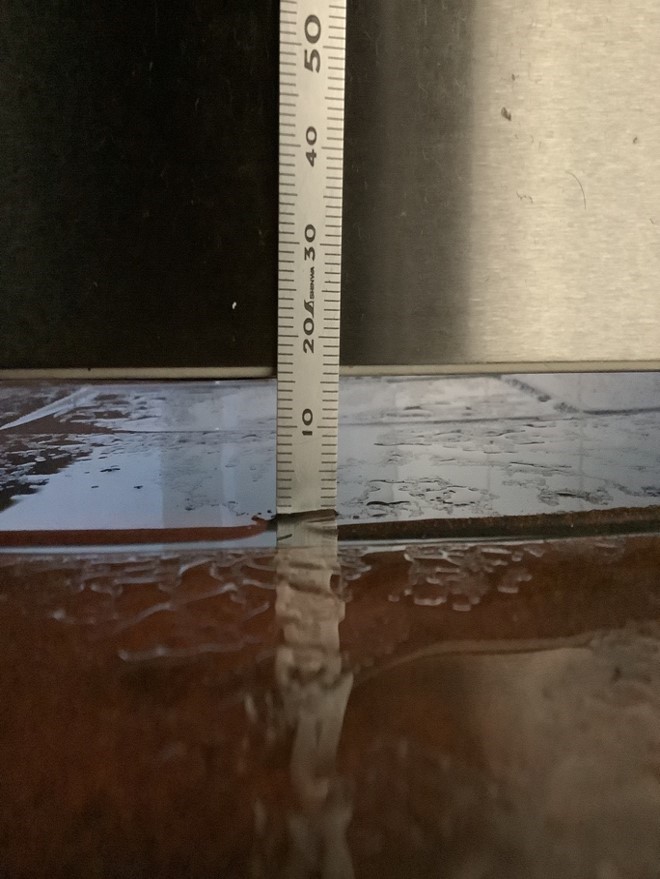
Examples of common non-compliances found during the inspection of thousands of doors.
Fire doors are finely engineered life safety components in the overall fabric of a building, but to perform correctly, protect lives and limit the damage caused by a fire, it is critical that they are installed correctly – every time, as non-compliances can have a significant impact on the period of time a fire door will perform and hold back fire.
Particularly in the case of fire doorsets, a fully certificated fire door can be rendered effectively useless in its ability to perform the role for which it was designed by easy–to–avoid installation errors.
Over the course of a decade or so, visiting hundreds of building sites and existing buildings and inspecting literally tens of thousands of fire doors, we have built up a ‘catalogue’ of common and perhaps not-so-common non-compliances we regularly find.
This information is provided to delegates embarking on the Part II Site-Assessment phase of the Fire Door Installation Course from the Fire Door Academy.
Most faults will be shown with a picture (after all, a picture paints a thousand words) and a detailed explanation of the fault, information on why we believed the fault occurred and suggestions, where appropriate, on how best to avoid it.
Not all faults can be controlled or eradicated by the installer: incorrect specification of doorsets in particular, can make it nigh on impossible for the installer on site to achieve a compliant installation, but site conditions can also have an effect:
Uneven floors.
Incorrect supporting wall construction specification.
Atmospheric conditions.
Incorrect product specification.
Any or all of these can have a massive effect on the compliance, this document is designed to pre-warn the installer of what to look out for.
You may not be initially popular when you report to site management “Sorry but the installation cannot go ahead because……..” but we firmly believe you will quickly earn a reputation as the ‘go to’ installer when it matters.
The document may change as we discover / uncover new or unusual problems so a regular revisit (why not call it your ‘Installers CPD’) may be a good idea once a month perhaps.
